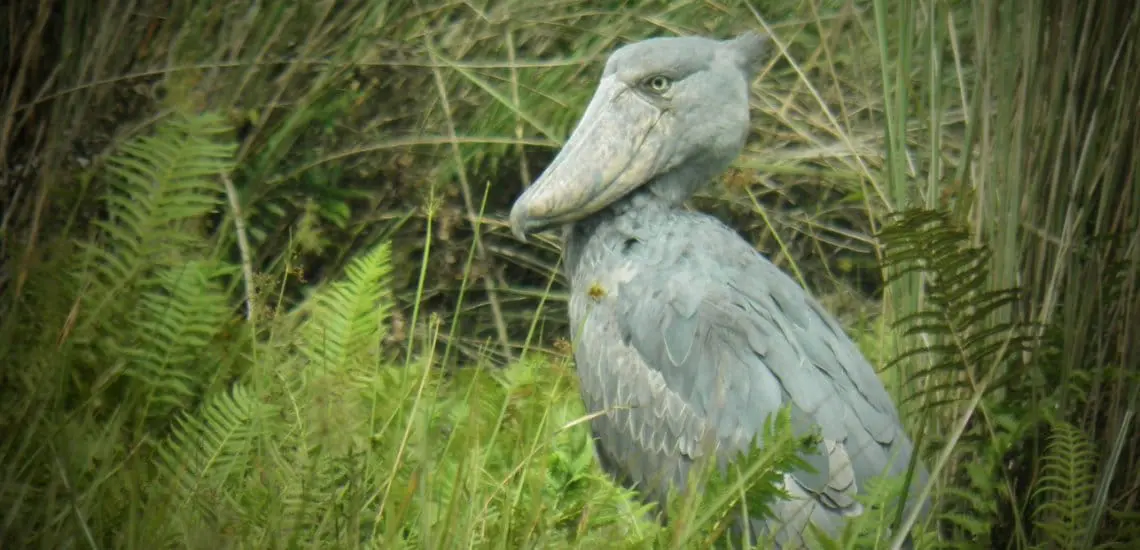
The Ultimate Birdwatching Guide to Uganda 2026
Your Complete Resource for Experiencing Africa's Premier Birding Destination
Your Complete Resource for Experiencing Africa's Premier Birding Destination
Uganda is not just a birdwatching destination, it is a revelation. With over 1,090 recorded species, that is 50% of Africa's total avian population, this compact East African nation offers arguably the continent's richest birding experience. From the prehistoric Shoebill stalking papyrus swamps to the vibrant turacos dancing in montane forests, Uganda delivers unforgettable encounters for both novice birders and seasoned ornithologists alike.
Uganda's diverse ecosystems, from the Albertine Rift mountains to the Nile basin wetlands, create unparalleled birding opportunities. Whether you're chasing rare endemics in Bwindi's impenetrable forests, photographing Shoebills at Mabamba Bay, or enjoying boat cruises on the Kazinga Channel surrounded by thousands of waterbirds, Uganda combines exceptional birding with comfortable lodges, expert guides, and seamless logistics.
Your Complete Resource for Experiencing Africa's Premier Birding Destination
Total Species: 1,090+ recorded
Endemics: 24 Albertine Rift specials
Best Seasons: Year-round (Peak: Nov-Mar, Jun-Aug)
Difficulty: Easy to Moderate
Top Destinations: Mabamba, Bwindi, Queen Elizabeth, Kidepo
Published: January 13, 2026
Custom Birding Safaris Available
Plan Your Birding SafariUganda's diverse ecosystems, from the Albertine Rift mountains to the Nile basin wetlands, create unparalleled birding opportunities. Here are our expert-curated top destinations:
Planning Note: Most birders combine 3-4 of these destinations in a 10-14 day circuit to maximize habitat diversity and species count.
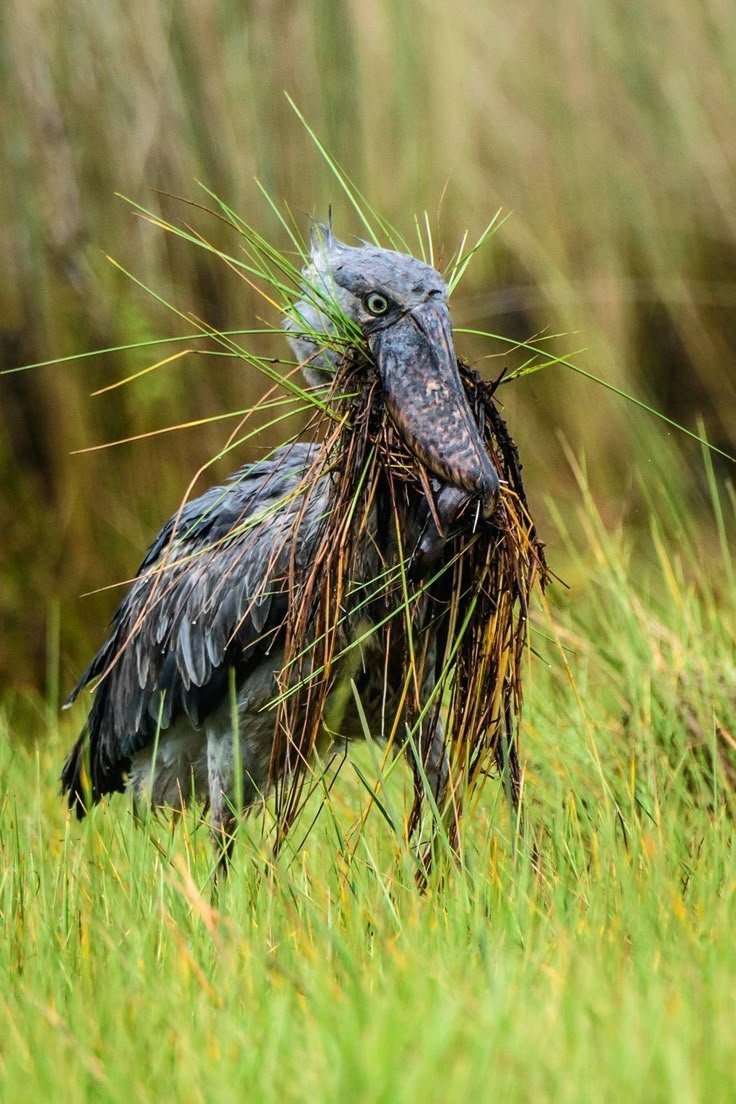
300+ Species | 95% Shoebill Success Rate
Best For: Shoebill stork, waterbirds, photography
Season: Year-round (best Nov-Mar)
Experience: Traditional canoe safaris through papyrus channels with local guides who intimately know each Shoebill territory. Early morning departures ensure golden hour photography. The swamp ecosystem hosts Blue-breasted Bee-eaters, Papyrus Gonoleks, and countless herons, egrets, and kingfishers.
Pro Tip: Combine with a Lake Victoria island visit for complete wetland immersion. Book two consecutive mornings for maximum Shoebill encounters and varied lighting conditions.
Travel Time from Kampala: 1.5 hours
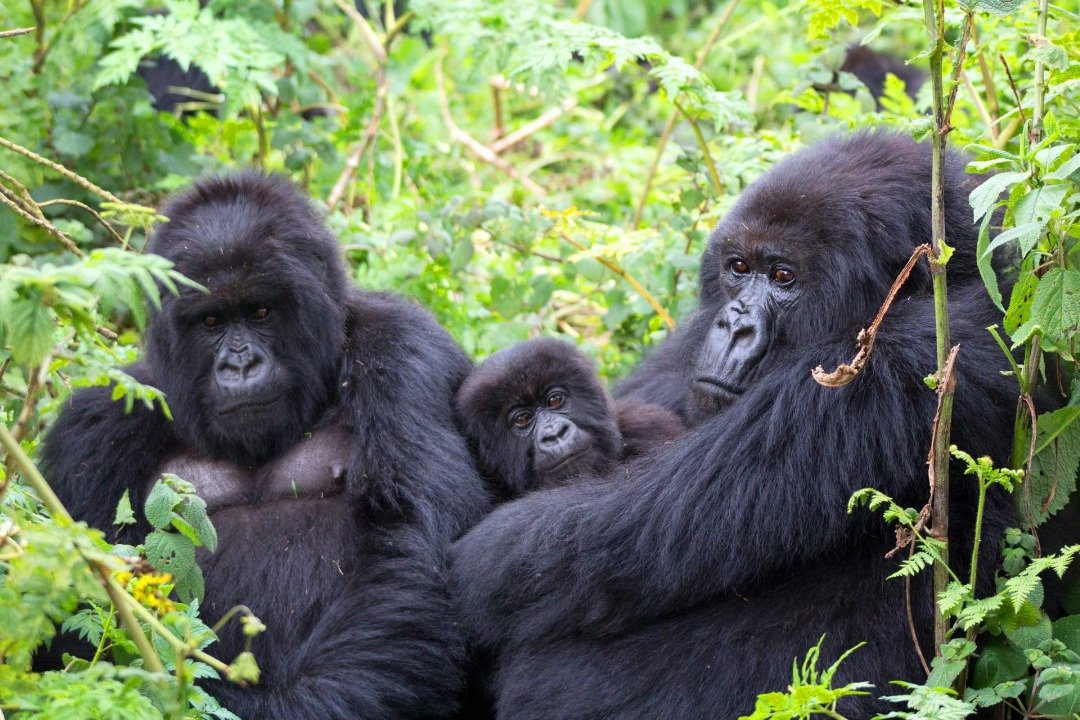
350+ Species | 23 Albertine Endemics
Best For: Albertine Rift endemics, forest specialists
Season: Jun-Aug, Dec-Feb (dry season for trails)
Experience: Deep forest birding with opportunities to see rare species like the African Green Broadbill and Shelley's Crimsonwing. Multiple trails at different altitudes provide varied birding ecosystems. The Mubwindi Swamp Trail and Bamboo Zone are legendary among ornithologists.
Must See: Bwindi Gorilla Trekking can be paired with birding for a complete Albertine Rift experience. Many birders schedule gorilla permits for early in their stay, then dedicate remaining days to focused birding.
Endemic Highlights: Handsome Francolin, Rwenzori Turaco, Archer's Robin-Chat, Grauer's Swamp Warbler, Strange Weaver

600+ Species | Savannah & Wetland Diversity
Best For: Waterbirds, raptors, game drives
Season: Year-round (peaks Dec-Feb, Jun-Aug)
Experience: Kazinga Channel boat cruises deliver phenomenal sightings of African Fish Eagles, kingfishers, and thousands of migrant waterbirds. Combine birding with classic safari game drives. The Maramagambo Forest and Kyambura Gorge offer forest species while savannah areas host raptors and grassland specialists.
Bonus: Tree-climbing lions and elephant herds add extra excitement to your birding safari. The park's ecological diversity makes it possible to log 150+ species in a single day.
Special Species: Martial Eagle, African Skimmer, White-winged Warbler, Verreaux's Eagle-Owl, Black Bee-eater
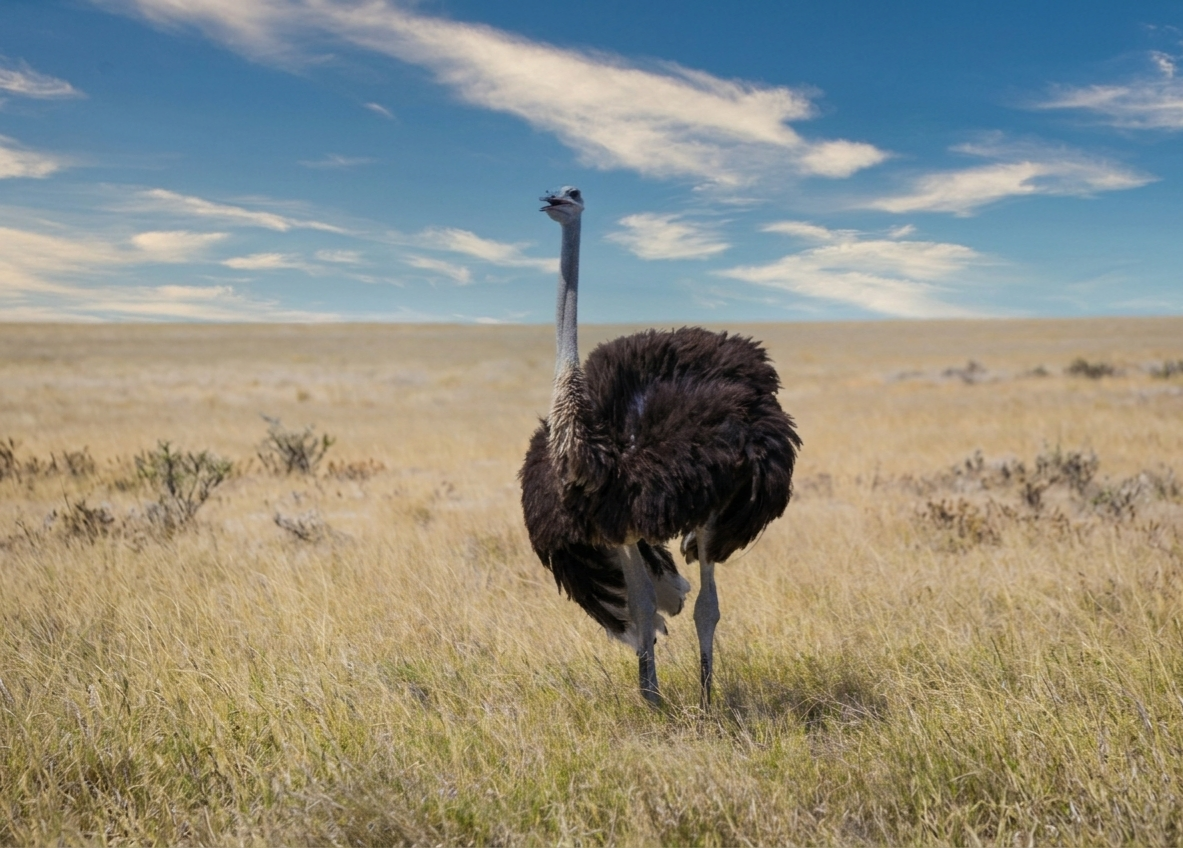
475+ Species | Best for Northern Specials
Best For: Ostriches, arid-zone birds, remote wilderness
Season: Sep-Mar (dry season for accessibility)
Experience: Uganda's most isolated park offers a unique East African savanna birding experience. Expect birds rarely seen elsewhere in Uganda, plus spectacular landscapes and cultural encounters with the Karamojong people. The Narus Valley and Kidepo River provide distinct ecosystems.
Expert Tip: Stay at least 3 nights here for maximum species diversity due to its remoteness. The investment in travel time pays dividends with species impossible to find elsewhere in Uganda.
Unique Species: Ostrich, Kori Bustard, Secretary Bird, Abyssinian Ground Hornbill, Karamoja Apalis, Jackson's Hornbill
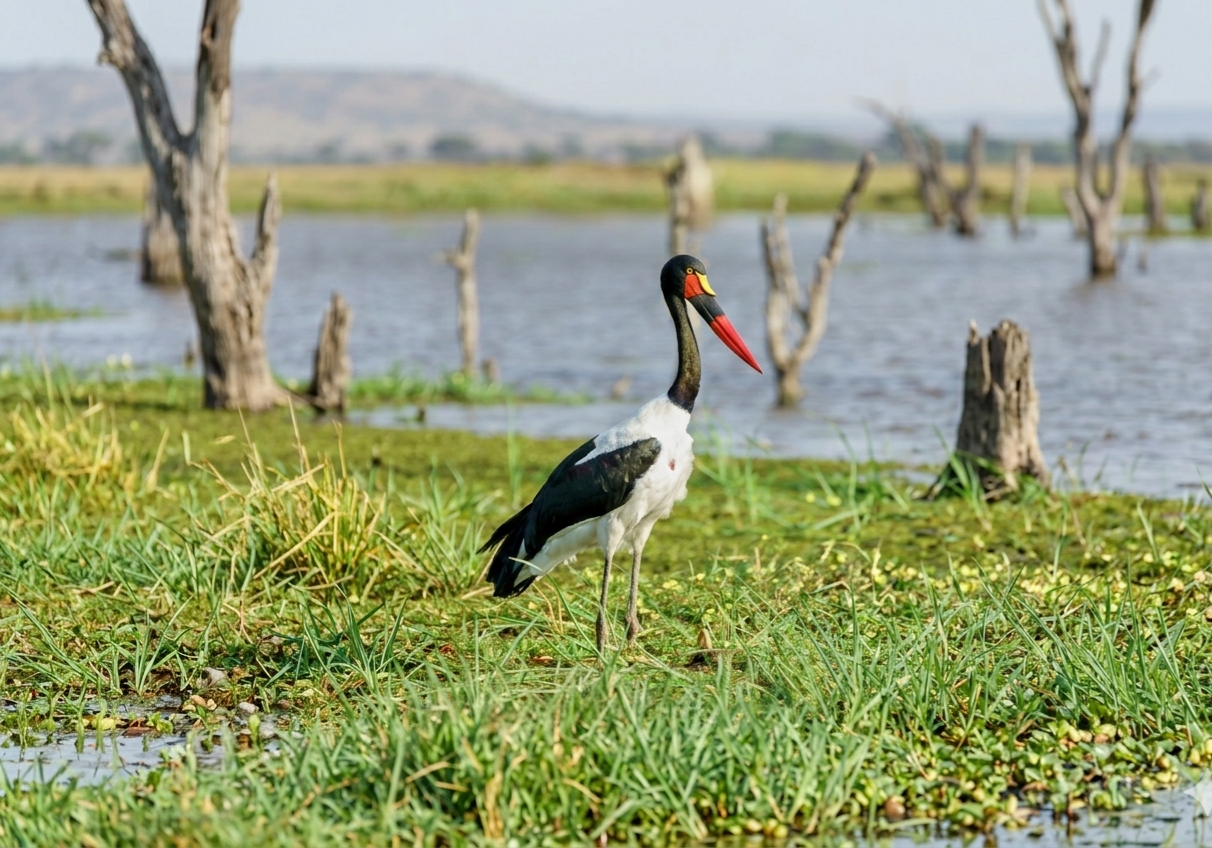
440+ Species | Lowland Rainforest Specials
Best For: Central African rainforest species, rare forest birds
Season: Year-round (Feb-Jun best for migrants)
Experience: Uganda's only true lowland tropical rainforest hosts Central African species found nowhere else in East Africa. The Sempaya Hot Springs trail and Red Monkey Trail provide excellent forest birding. This is the place for the White-crested Hornbill, Lyre-tailed Honeyguide, and Black Dwarf Hornbill.
Combine With: Nearby Semliki Wildlife Reserve adds savanna species. Together they create remarkable habitat diversity.
Specialty Birds: Congo Serpent Eagle, Nkulengu Rail, Spot-breasted Ibis, Yellow-throated Nicator, Forest Ground Thrush
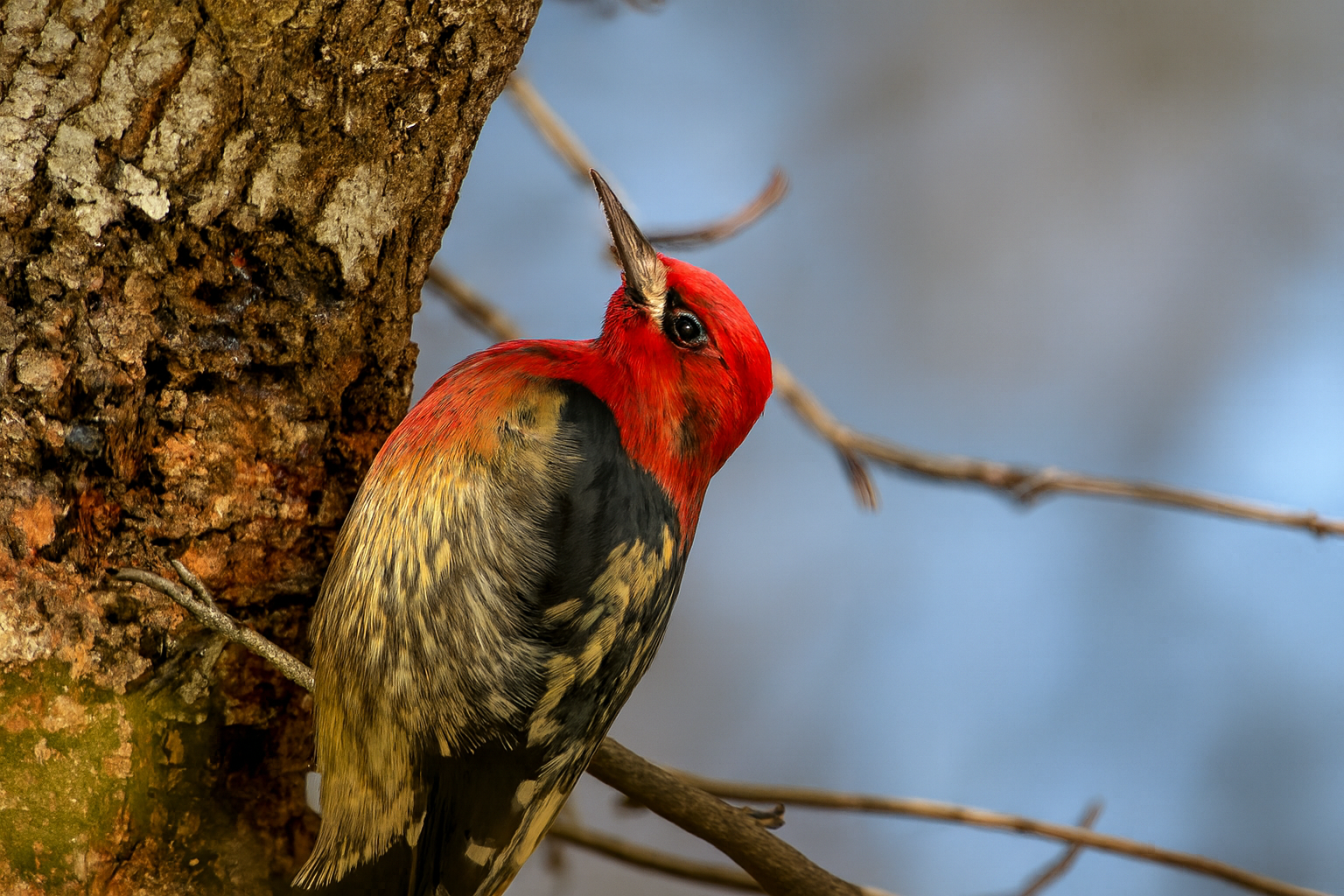
350+ Species | Acacia Savanna Specialists
Best For: Acacia-associated birds, easy access, wetland species
Season: Year-round (best Dec-Feb)
Experience: Uganda's smallest savanna park packs incredible diversity into a compact area. Lake shore birding, acacia woodlands, and wetlands all within easy reach. Perfect for photographers with good light and approachable birds. Walking safaris allowed, offering unique birding perspectives.
Practical Advantage: Only 3.5 hours from Kampala, making it perfect for short trips or as a first/last stop on longer safaris.
Key Species: African Finfoot, Red-faced Barbet, Bare-faced Go-away-bird, Southern Ground Hornbill, Crested Francolin, Rufous-bellied Heron
Uganda is the dream destination for ticking off rare, endemic, and iconic African bird species. Here are some of the most sought-after birds you can realistically see on a well-planned safari:
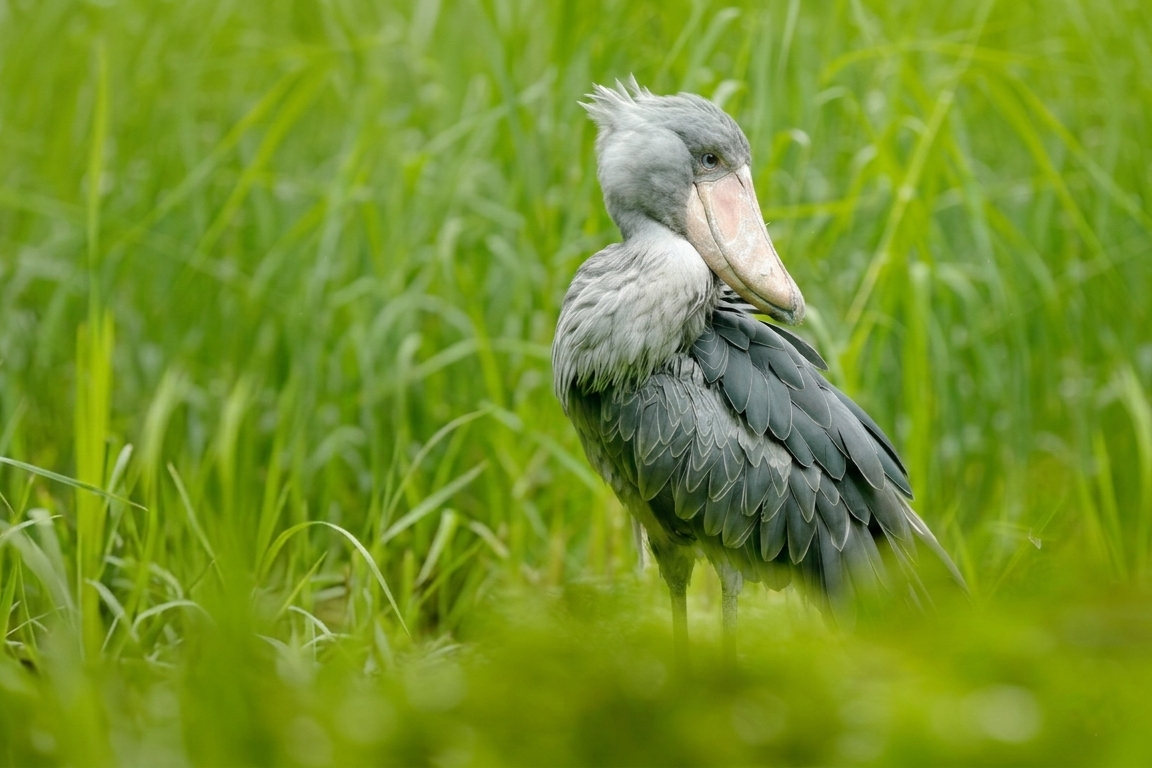
Status: Vulnerable | Best Location: Mabamba Bay Wetland
The undisputed star of Uganda birding. This prehistoric-looking bird with its massive shoe-shaped bill is what draws many birders to Uganda. Standing up to 5 feet tall, Shoebills are patient hunters of lungfish in papyrus swamps.
Success Rate: 95% at Mabamba Bay with experienced guides
Best Season: November-March (dry season when water levels concentrate fish)
.png)
Status: Endangered | Best Location: Bwindi Impenetrable Forest
One of Africa's rarest birds, found only in the Albertine Rift. This stunning green forest jewel requires patience and expert local guides who know nest sites and feeding areas.
Success Rate: 70% with specialized guides
Best Season: March-May, September-November
.png)
Status: Seasonal Visitor | Best Location: Murchison Falls NP
Males sport extraordinary elongated wing feathers during breeding season. Spotting this nocturnal wonder requires night drives during their brief breeding window in Uganda.
Success Rate: 60% during breeding season
Best Season: March-May (breeding season only)
.jpg)
Status: Near Threatened | Best Location: Bwindi, Mgahinga
A skulking Albertine endemic that favors bamboo zones and forest edges. Its striking crimson plumage makes it a coveted sighting among serious birders.
Success Rate: 50% with persistent effort
Best Season: June-August, December-February
.png)
Status: Least Concern | Best Location: Most forests
Africa's largest turaco at 30 inches long. Despite bright blue and yellow plumage, they can be surprisingly cryptic in the canopy. Their loud barking calls often announce their presence before visual sighting.
Success Rate: 90% in suitable habitat
Best Season: Year-round
.png)
Status: Least Concern | Best Location: Budongo, Kibale forests
This jewel-like forest floor dweller is an intra-African migrant present only during specific months. Finding one requires being in the right place at the right time with exceptional guides.
Success Rate: 40% during migration season
Best Season: March-April, October-November
.jpg)
Status: Vulnerable | Best Location: Lake Victoria papyrus
Endemic to Lake Victoria basin papyrus swamps. Bright yellow with distinctive red eyes, this species faces habitat loss threats but remains reliably seen at key sites.
Success Rate: 85% at known colonies
Best Season: Year-round, best during breeding (Mar-Jun)
 .png)
Status: Least Concern | Best Location: Queen Elizabeth NP
Unlike most bee-eaters, this species favors forest edges and rivers. Its black and red plumage is distinctive. Breeds in riverbank burrows in specific locations.
Success Rate: 75% along Kyambura Gorge
Best Season: Year-round, breeding Feb-May
.png)
Status: Least Concern | Best Location: Bwindi, Kibale
Perhaps Africa's most beautiful bird with iridescent green plumage and crimson breast. Typically perches motionless in forest mid-story, requiring keen eyes to spot despite brilliant coloration.
Success Rate: 80% with patient observation
Best Season: Year-round
Birding in Uganda is exciting but can be physically demanding. Your comfort and success depend greatly on what you bring. Here is the professional packing list we recommend to all our clients:
Critical Items:
Pro Tip: Test all equipment before departure and learn to use it in varied lighting. Forest birding often means low light and fast-moving subjects.
Essential Clothing:
Layering Strategy: Mornings start cool, days warm up, evenings cool again. Dress in layers you can easily add or remove as temperatures shift throughout the day.
Reference Materials:
Technology Tip: Downloaded offline content is essential. Internet connectivity is unreliable in remote birding areas. Prepare all apps and references before arriving.
Medical & Safety Essentials:
Health Advisory: Consult a travel medicine specialist 6-8 weeks before departure for required vaccinations (Yellow Fever mandatory) and health recommendations.
Additional Recommended Items:
Weight Management: International flights typically allow 23kg checked baggage. Prioritize optics and camera gear, keep clothing minimal and lightweight.
Items to Leave at Home:
Philosophy: Pack light, pack smart. Everything you bring must be carried, potentially through airports, lodges, and forest trails. Every item should earn its space.
We are not just tour operators, we are passionate birders and conservation partners who have been leading Uganda birding safaris for over a decade.

Our guides aren't just drivers, they are trained ornithologists with lifetime forest knowledge. Many have worked with international research teams and published bird surveys. They know individual territories of key species and can identify birds by call instantly.

95% Shoebill success rate, 23/24 Albertine endemics regularly seen, average 450+ species per comprehensive tour. We track our statistics rigorously and continuously refine our routes and timing based on actual results, not guesswork.

We choose accommodations based on birding access, not just amenities. Lodge locations minimize travel time and maximize birding hours. Many of our partner lodges have productive birding on their own grounds, turning downtime into productive observation time.

We work directly with Uganda Bird Guides Club, NatureUganda, and local conservation organizations. Your safari fees directly support habitat protection, guide training, and community birding programs. You're not just observing, you're contributing to preservation.

Every birder has different priorities. Photographers need different pacing than listers. First-time Africa visitors want different experiences than seasoned birders. We customize everything: duration, locations, pace, accommodation level, and group size to match your exact preferences.

From airport pickup through departure, we handle everything. Permits, park fees, boat arrangements, accommodations, meals, drinking water, vehicle maintenance, emergency support. You focus entirely on birds while we manage all logistics invisibly in the background.
Answers to the most common questions we receive from birders planning their Uganda adventure.
Uganda offers excellent year-round birding, but timing depends on your priorities:
November to March (Dry Season): Peak birding season. Migrant species from Europe and North Africa are present, water levels concentrate waterbirds, trails are drier and more accessible, and photography lighting is optimal. This is when we see the highest species counts.
March to May (Long Wet Season): Forest birds are most vocal during breeding, spectacular flowers attract sunbirds and other nectar feeders, fewer tourists mean quieter sites, and lush vegetation provides the most photogenic backgrounds. Trails can be muddy and some roads challenging.
June to August (Dry Season): Excellent overall conditions, comfortable temperatures in highlands, good for combining birding with gorilla trekking, and prime time for photography with clear skies.
September to November (Short Wet Season): Second migration period, returning Palearctic migrants, fresh plumage after breeding, and generally good birding with occasional afternoon showers.
Our Recommendation: For maximum species diversity, visit November-February. For forest endemics and fewer crowds, March-May is ideal. June-August offers the most comfortable conditions overall.
Recommended durations based on goals:
3-5 Days (Weekend Extension): Focus on Mabamba Wetland for Shoebill plus one other site like Lake Mburo or Entebbe Botanical Gardens. Expect 150-200 species. Perfect for birders already in Uganda for other reasons.
7-10 Days (Comprehensive): Our most popular option. Covers Mabamba, Bwindi or Mgahinga, Queen Elizabeth NP, and Kibale or Budongo Forest. Expect 350-450 species including most Albertine endemics. Allows comfortable pacing with quality time at each site.
12-14 Days (Ultimate): Add Kidepo Valley for northern specials and Semuliki for lowland rainforest birds. Expect 500-600 species. This is the trip for serious listers wanting comprehensive coverage of Uganda's diversity.
14-21 Days (Complete Uganda Birding): Cover all major birding zones, include multiple forest sites, add Murchison Falls, and allow extra time for photography or stake-outs of difficult species. Potential for 650+ species.
Planning Note: Remember that quality matters more than quantity. Rushing through destinations means missing species and exhausting yourself. We recommend fewer destinations with more time over cramming in too many locations.
Fitness requirements vary by destination and can be customized:
Easy Birding (Minimal Fitness): Mabamba canoe safaris (sitting in boat), Botanical Gardens, roadside birding, lodge grounds birding, and boat cruises on Kazinga Channel. These require only ability to sit for extended periods and get in/out of vehicles or boats.
Moderate Birding (Average Fitness): Most forest trails in Kibale, Budongo, and lower elevation areas of Bwindi. Walks of 2-4 hours at gentle pace on maintained trails with some slopes. Anyone who walks regularly should be comfortable.
Challenging Birding (Good Fitness Required): High-altitude trails in Bwindi and Mgahinga (2,000-2,600m elevation), steep terrain, potentially 4-6 hours of walking, sometimes through muddy conditions. Requires regular exercise routine and comfort with uneven terrain.
Customization Options: We adjust itineraries to fitness levels. Older birders or those with mobility limitations can still see 80% of target species by focusing on accessible sites. Vehicle-based birding, shorter walks, and porter assistance are all available options.
Altitude Considerations: Some highland sites reach 2,600m (8,500 ft). Those sensitive to altitude should plan gradual acclimatization and carry appropriate medication if recommended by their doctor.
Absolutely! Uganda's birding destinations overlap significantly with premier wildlife experiences:
Gorilla Trekking + Birding: Bwindi and Mgahinga forests are both gorilla habitats and Albertine endemic hotspots. Many clients do one gorilla trek, then spend 2-3 additional days birding the same forests. This is extremely efficient and adds Grauer's Swamp Warbler, African Green Broadbill, and 20+ other endemics to your list.
Chimpanzee Tracking + Birding: Kibale Forest offers both world-class chimp viewing and excellent birding (375+ species). Morning chimp trek, afternoon birding walks. Budongo Forest provides similar combinations.
Big Game Safaris + Birding: Queen Elizabeth, Murchison Falls, and Kidepo Valley deliver classic African safari mammals plus exceptional birding. Game drives double as birding opportunities, and specific birding walks can be added.
Cultural Experiences: Community walks, Batwa cultural encounters, craft markets, and village visits can all be incorporated around birding activities.
Planning Strategy: We typically recommend scheduling high-energy activities (gorilla trekking, chimp tracking) early in the trip when you're fresh, then transition to more relaxed birding-focused days. This pacing maximizes enjoyment and prevents exhaustion.
Yes, Yellow Fever vaccination is mandatory for entry to Uganda.
Requirements: You must present a valid International Certificate of Vaccination (Yellow Card) showing Yellow Fever vaccination upon arrival. The vaccination must be administered at least 10 days before travel and is valid for life. This is strictly enforced—you will not be allowed entry without proof.
Other Recommended Vaccinations: While not mandatory, medical professionals typically recommend: Hepatitis A and B, Typhoid, Tetanus, Polio booster, Rabies (for those doing extensive rural/wildlife work), and routine vaccinations should be current.
Malaria Prevention: Uganda is a malaria zone. Antimalarial medication is strongly recommended. Consult your doctor about which medication is best for you (options include Malarone, Doxycycline, or Mefloquine). Combine medication with insect repellent and proper clothing.
Travel Medicine Consultation: Book an appointment with a travel medicine specialist 6-8 weeks before departure. They'll ensure all vaccinations are current and provide personalized health advice based on your itinerary and medical history.
COVID-19: Requirements change regularly. Check current Uganda entry requirements for COVID-19 vaccination or testing 2-3 weeks before departure.
We understand that travel plans can change. Here is our transparent policy:
Deposit and Booking: 30% deposit required to confirm booking and secure permits/lodges. Remaining 70% due 60 days before safari start date.
Cancellation Terms:
Special Circumstances: Gorilla and chimpanzee permits are non-refundable once purchased (Uganda Wildlife Authority policy). If you must cancel, we can attempt to resell permits to other clients, but this is not guaranteed.
Travel Insurance: We strongly recommend comprehensive travel insurance covering trip cancellation, medical emergencies, and evacuation. Many policies cover cancellation for medical reasons, family emergencies, and other unforeseen circumstances that our policy does not.
COVID-19 / Force Majeure: If Uganda closes borders, imposes travel restrictions, or if circumstances beyond anyone's control prevent the safari, we work with clients on rescheduling or provide credits toward future safaris. Each situation is evaluated individually.
Itinerary Changes During Safari: We reserve the right to modify itineraries due to weather, road conditions, permit availability, or safety concerns. Alternative experiences of equal or greater value will be provided.
Join the 500+ birders who have experienced Uganda's avian wonders with Jetulife Adventure Safari. Let us craft your perfect 2026 birdwatching adventure.
From the moment you spot your first Shoebill standing sentinel in morning mist to the final checklist tallying hundreds of species, a Uganda birding safari transforms how you see the natural world. With Jetulife Adventure Safari, you are not just booking a tour, you are investing in expertly crafted wilderness experiences that support conservation and create lifelong memories.
Jetulife Adventure Safari, Where Every Feather Tells a Story